Hawaiian bird archive · Native forest birds
Oahu Elepaio
Chasiempis ibidis · Oʻahu ʻElepaio
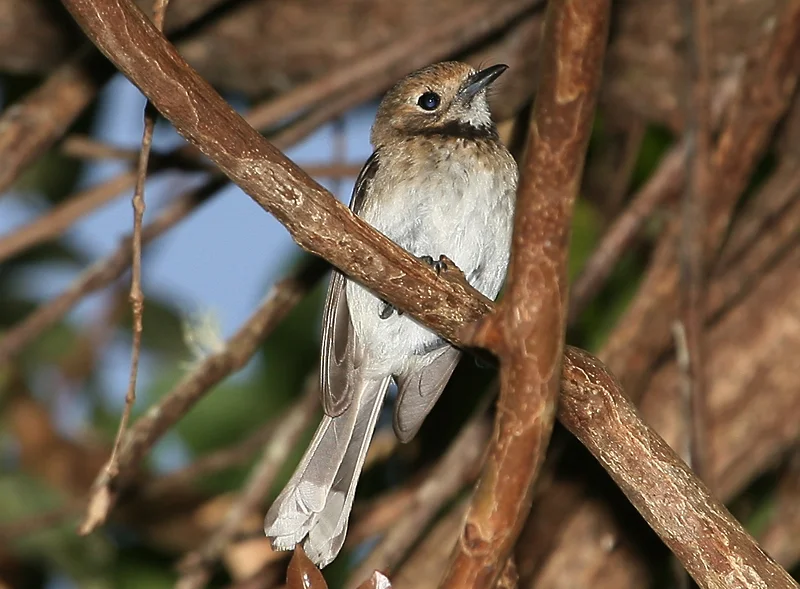
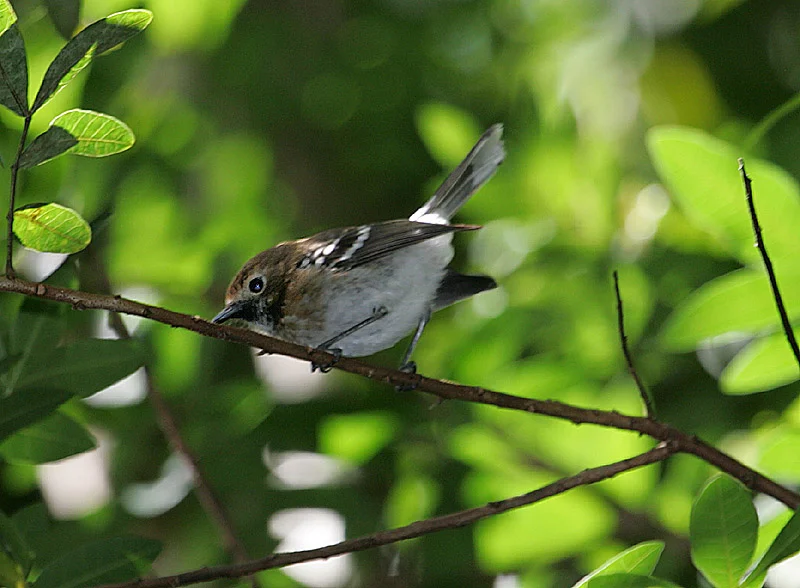
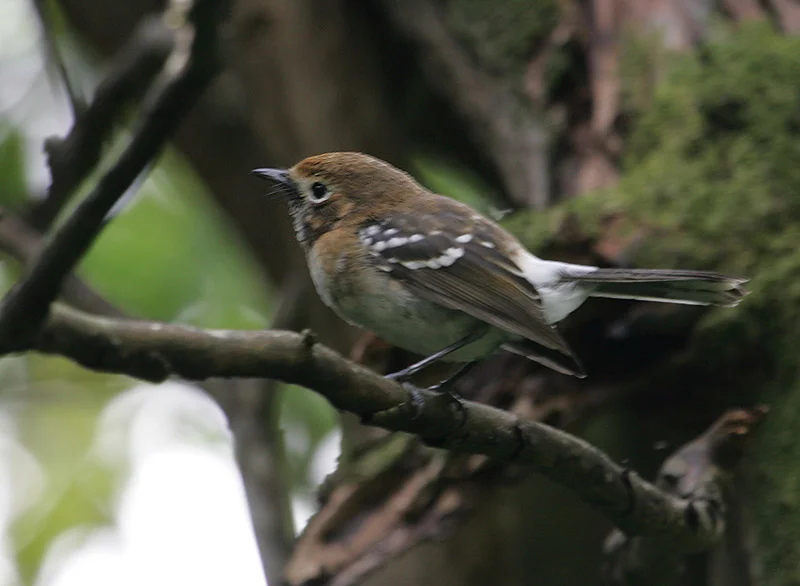
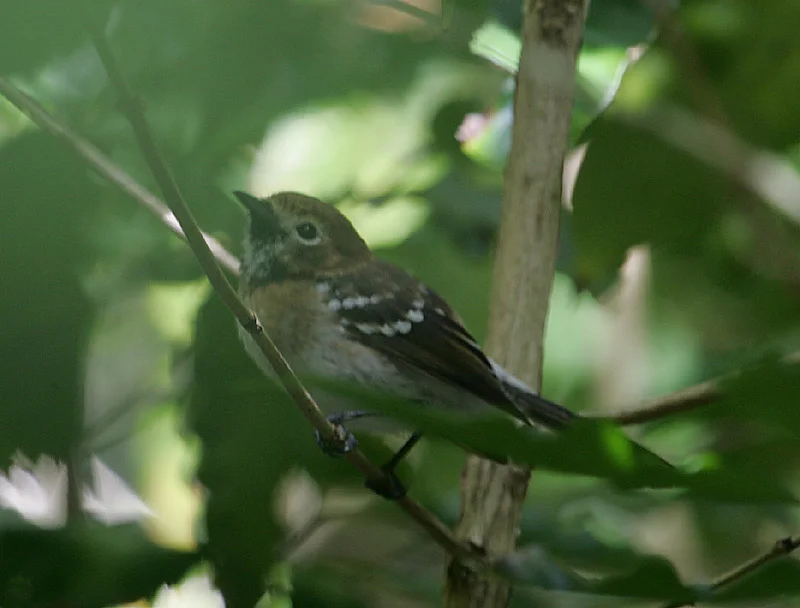
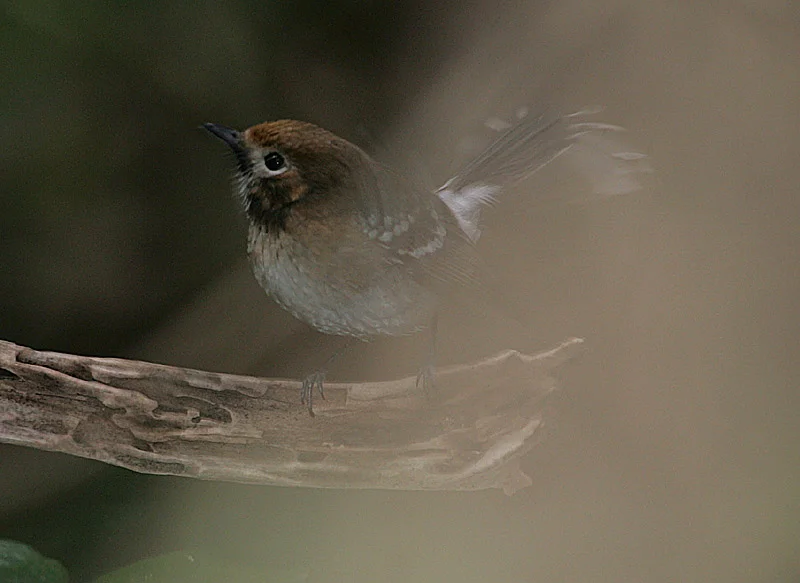
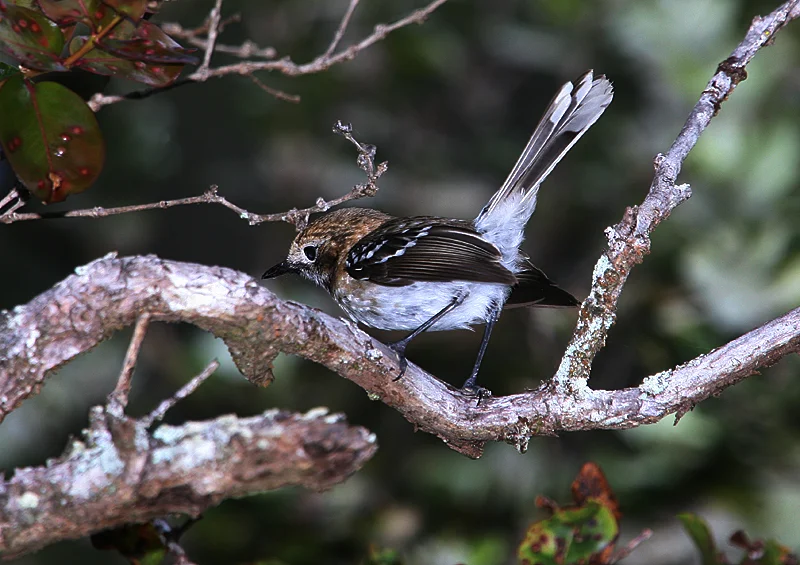
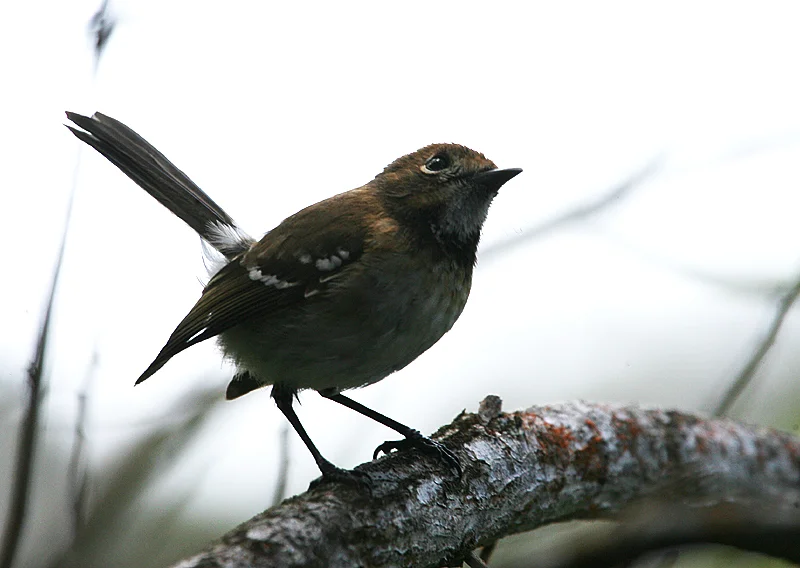
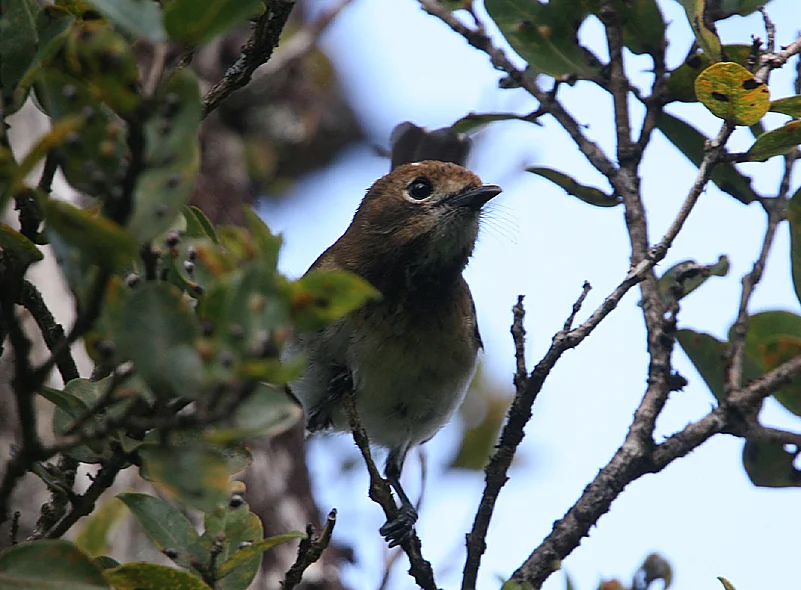
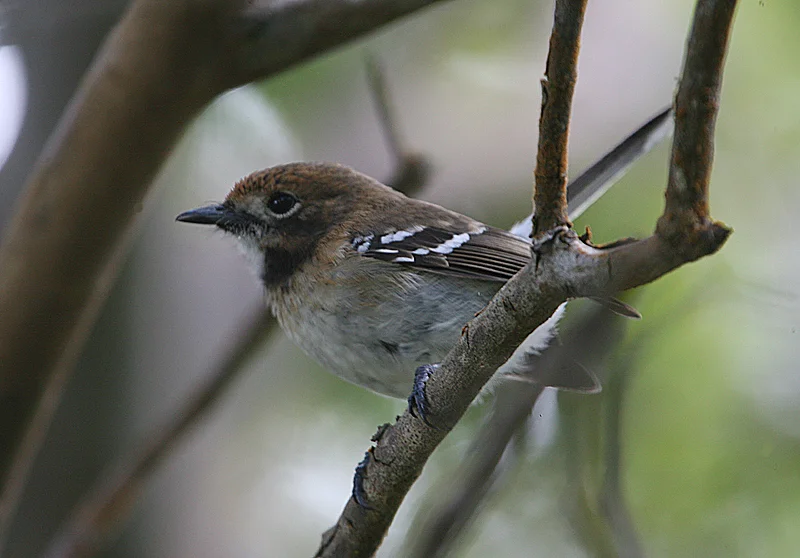
A little brown bird lands, raises its long tail and flicks its wings. White tips show for an instant before it darts after an insect. The Oʻahu ʻelepaio belongs to the monarch flycatchers, a different family from the honeycreepers with which it shares the island’s woods.
View the photographs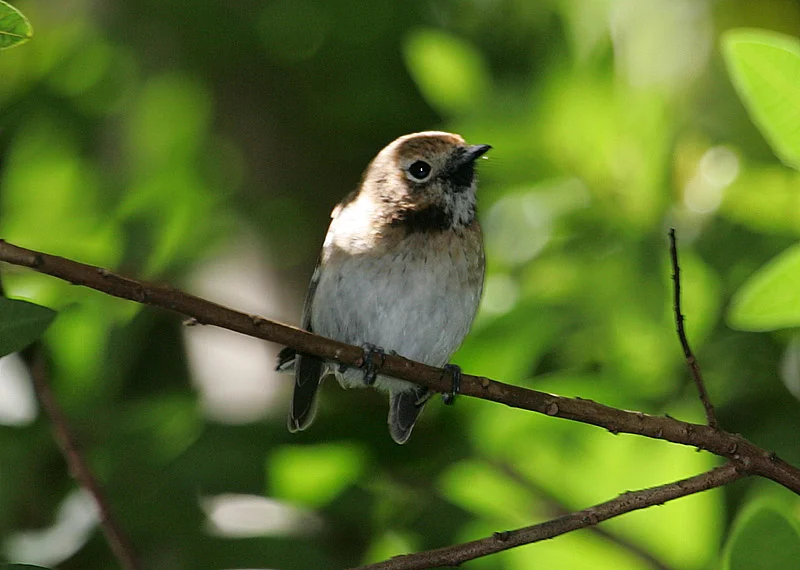
- Scientific name
- Chasiempis ibidis
- Family
- Monarchidae
- Range
- Oʻahu only
- U.S. status
- Endangered
White markings come later
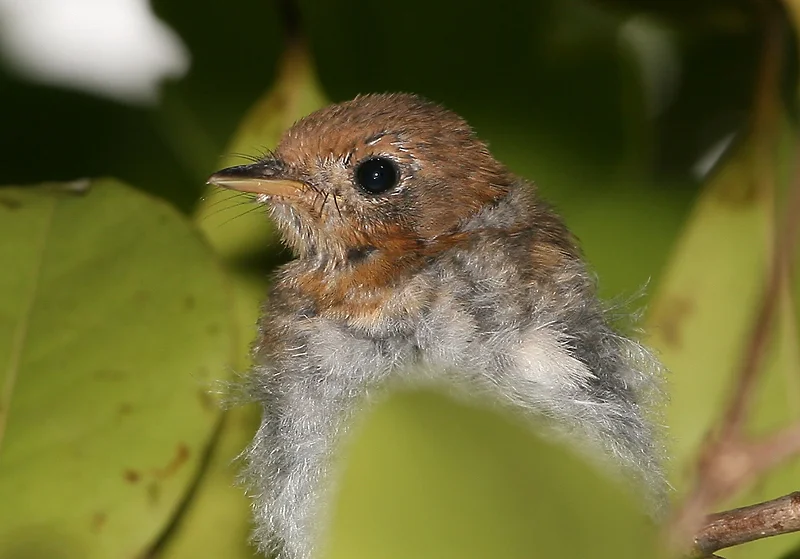
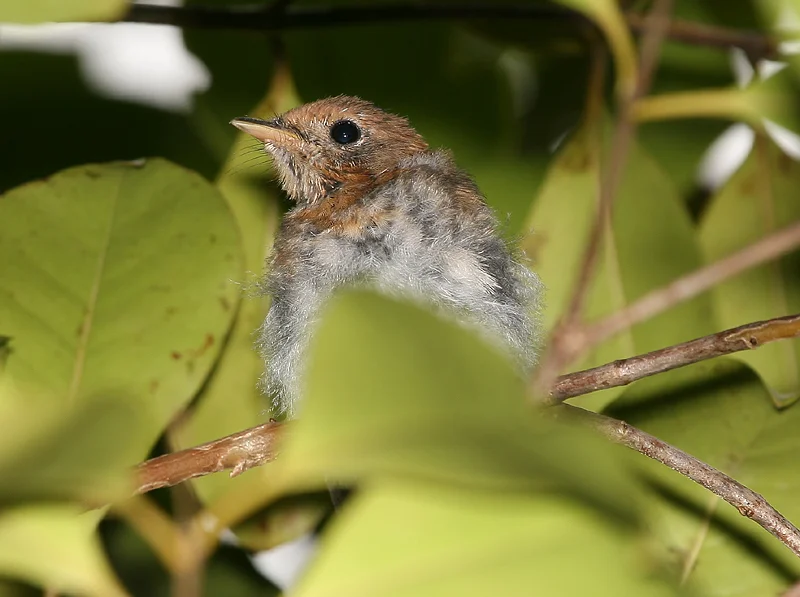
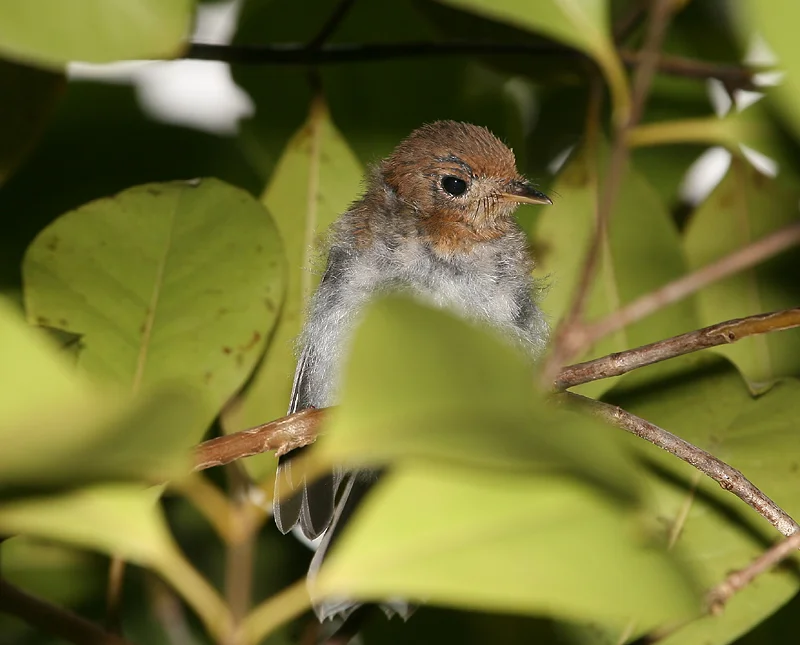
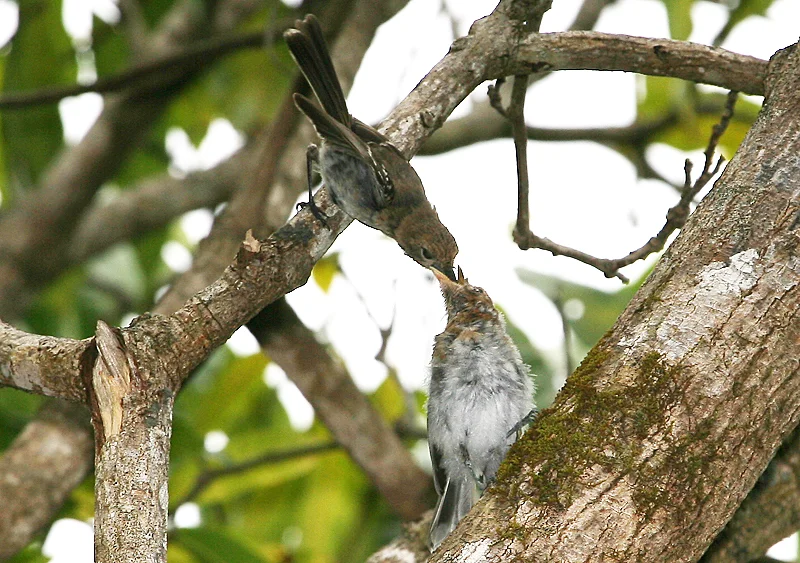
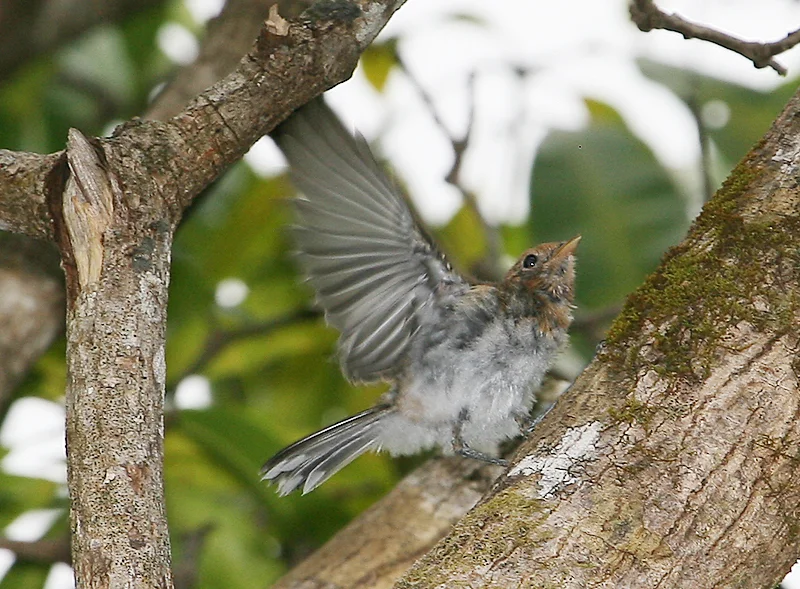
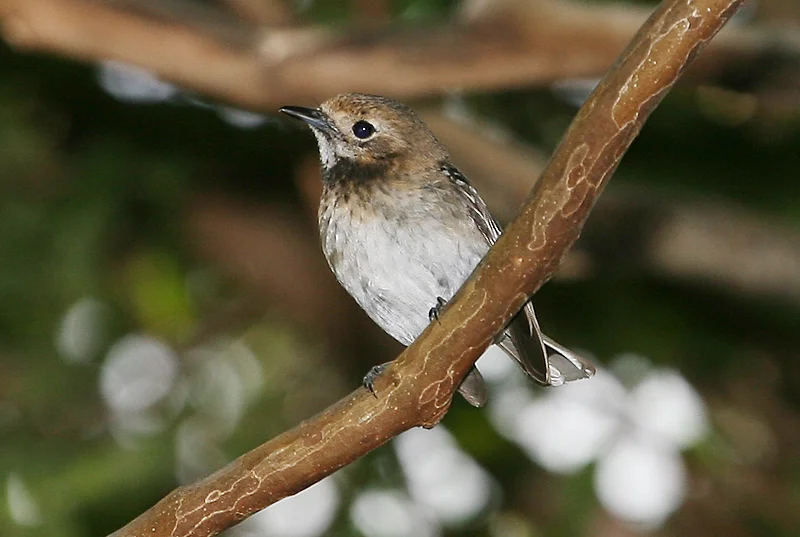
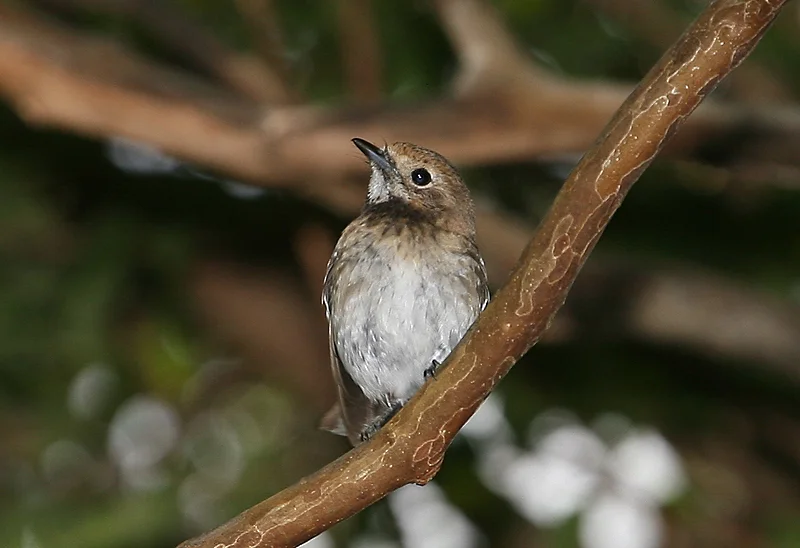
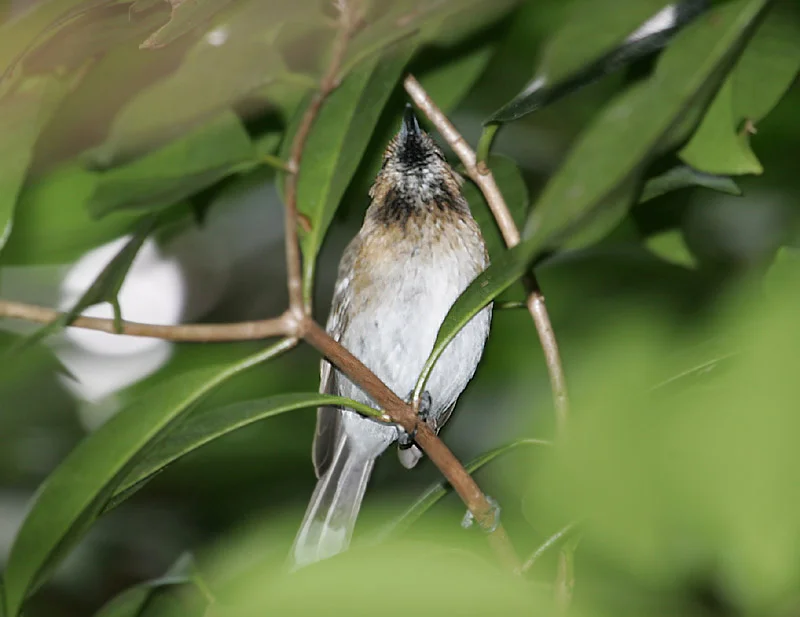
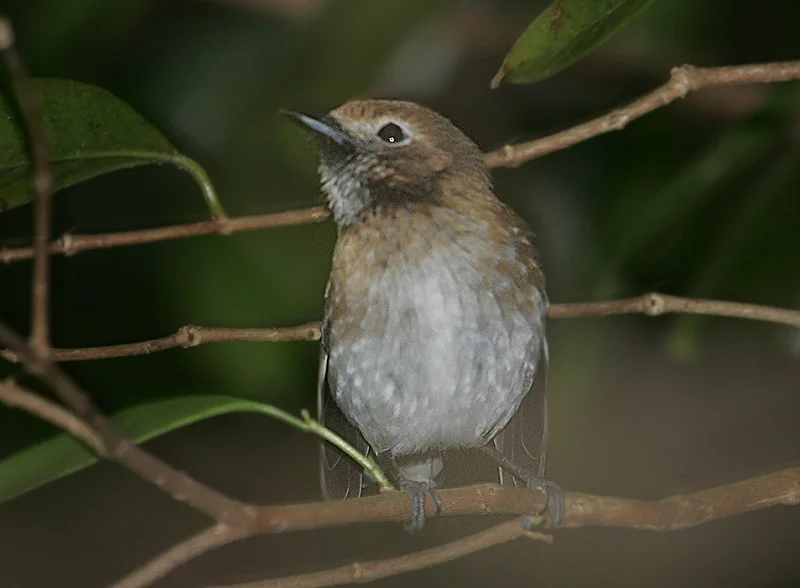
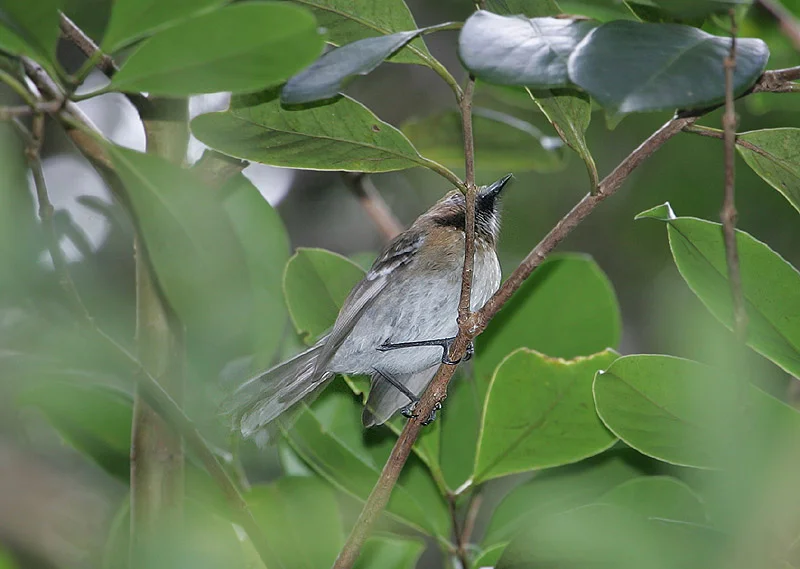
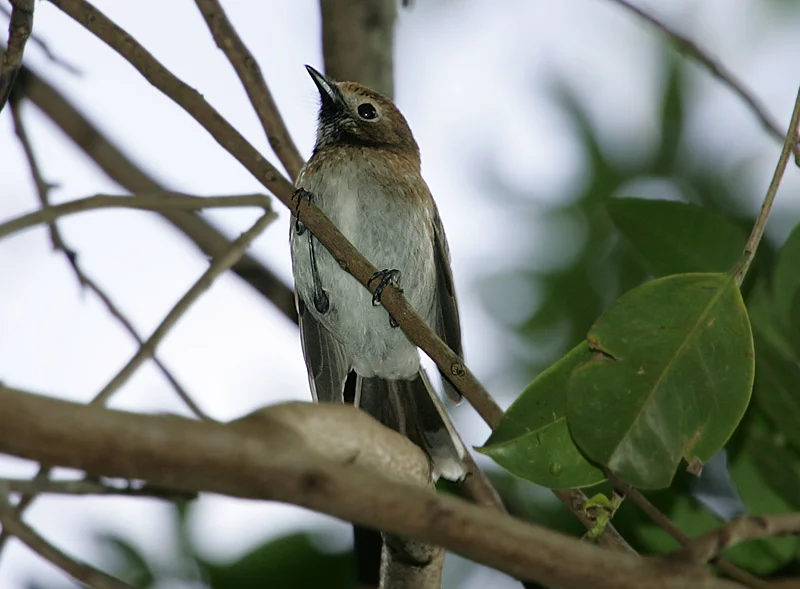
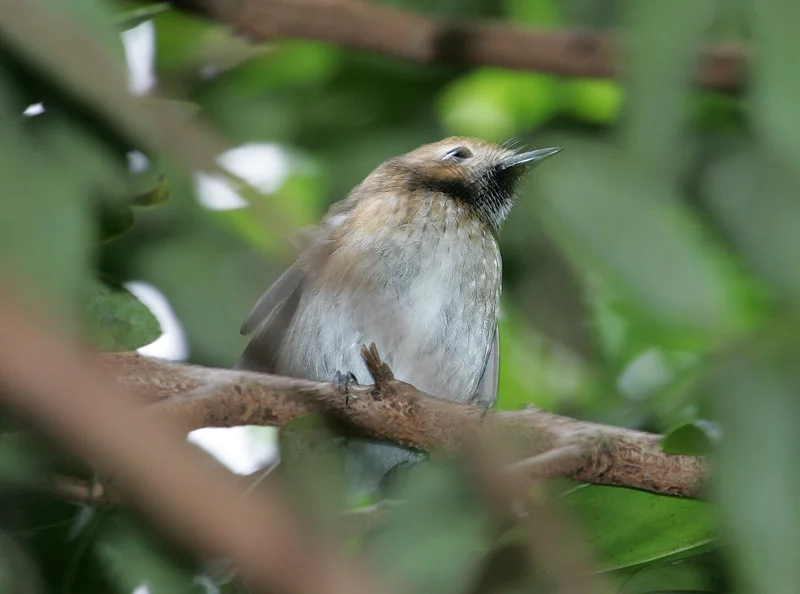
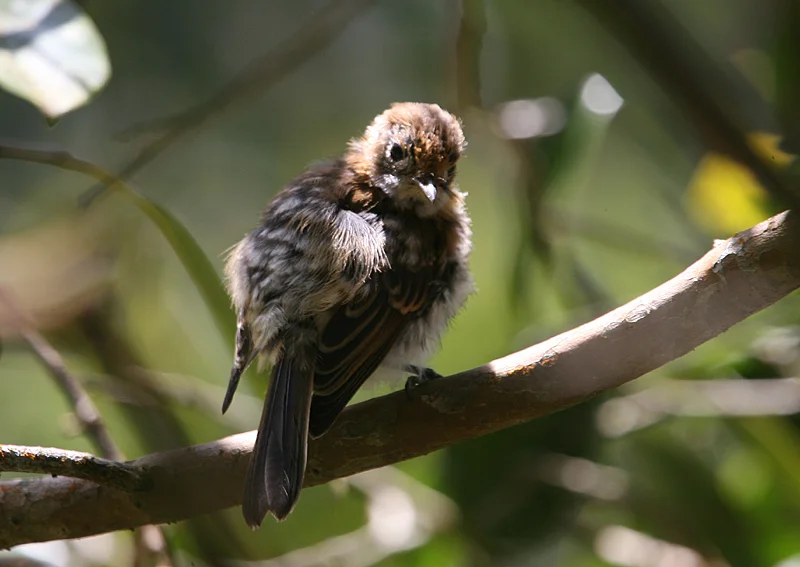
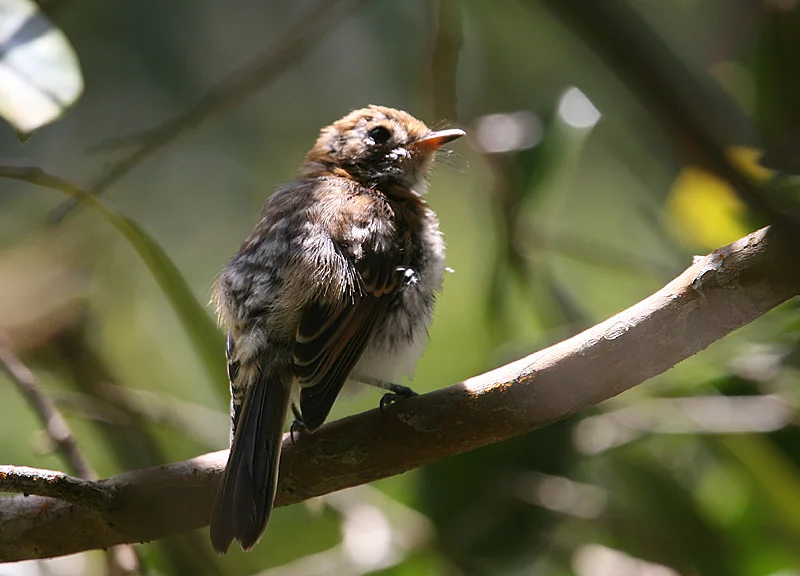
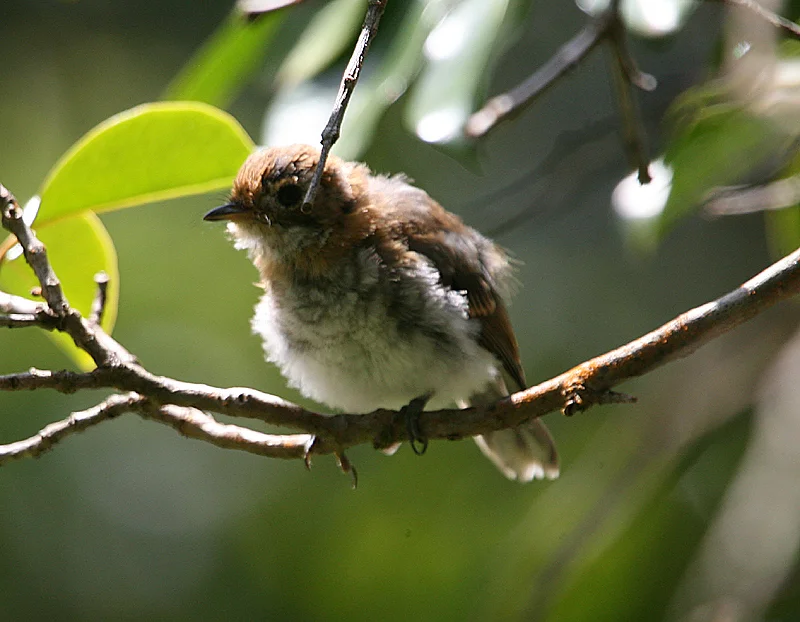
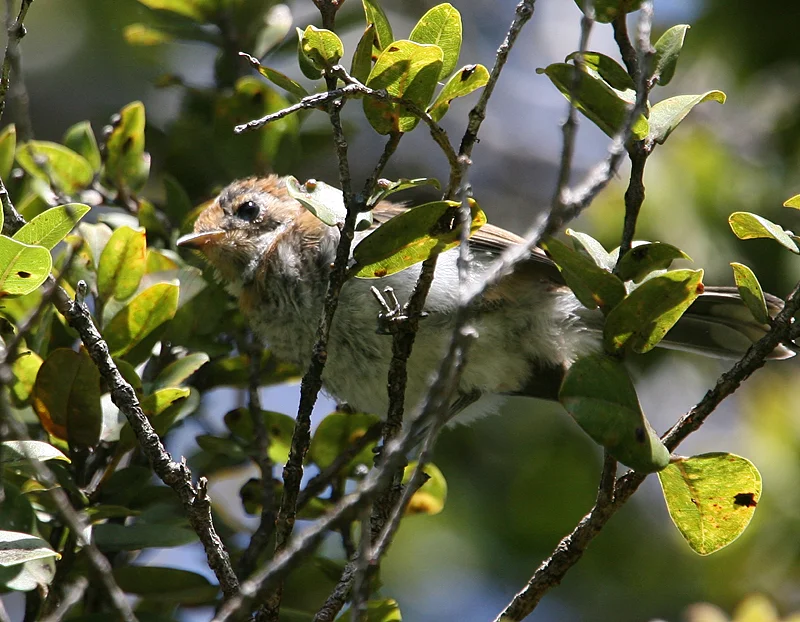
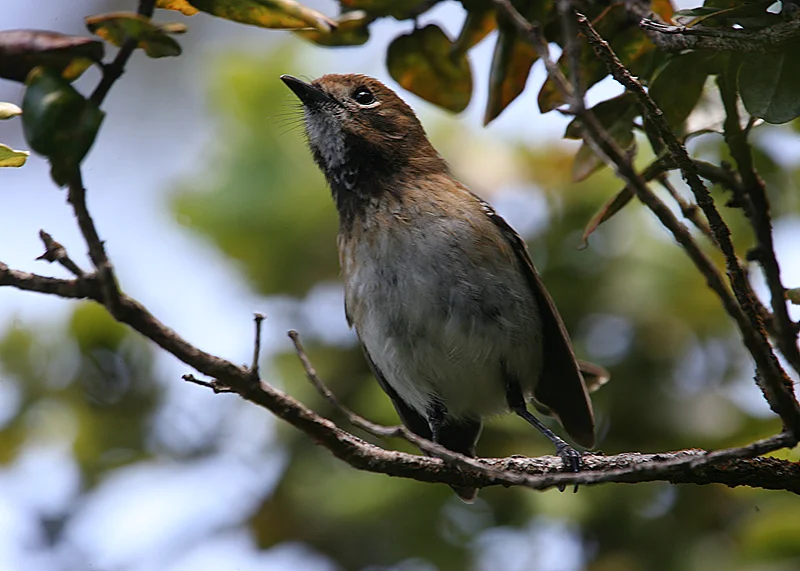
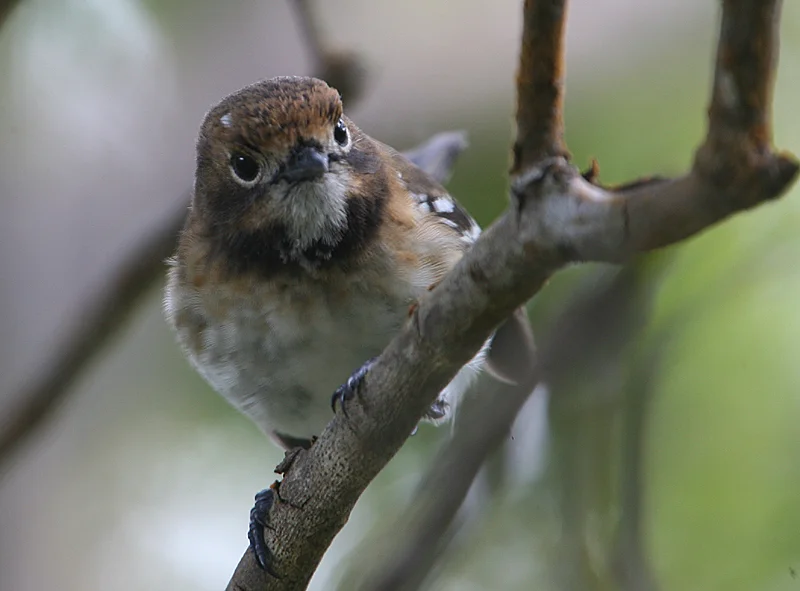
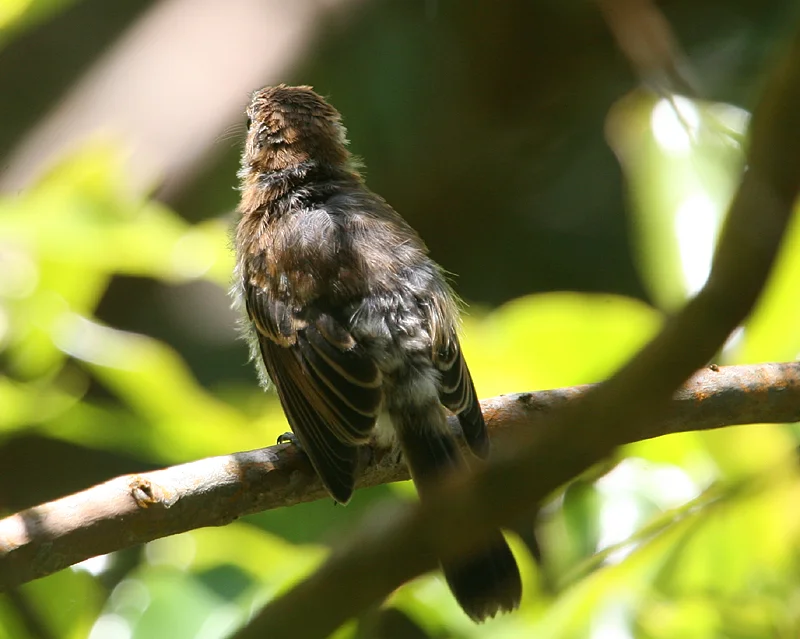
Adult birds show white wing bars, a white rump and white at the tail tips. A young bird is much warmer in color, with cinnamon around its head and rusty wing bars. It can take more than two years to acquire full adult plumage. The raised tail is a clue at any age.
More than a flycatcher in flight
An ʻelepaio can catch an insect in the air, then land on a vertical trunk and hunt the next one on foot. Strong feet also let it cling under leaves and branches. The change from a short flight to close inspection of bark is often easier to follow than the tiny prey itself.
A pair’s territory
The two adults defend their patch year-round. Both weave the cup nest, adding spider silk to bind the materials together and dressing the outside with moss or lichen. Both take turns incubating and feeding their young. A fledgling may remain with its parents for much of its first year.
What matters in an Oʻahu valley
These flycatchers use wooded valleys with a canopy overhead and foliage below, including places where introduced trees now grow. Their remaining populations are fragmented. Introduced black rats take eggs, chicks and sometimes incubating females. Rat control has improved both nest success and female survival.
Three island flycatchers
Oʻahu, Kauaʻi and Hawaiʻi Island each have a distinct ʻelepaio species. The Oʻahu birds in Michael’s collection are federally endangered. When comparing his other galleries, carry the Oʻahu bird’s pale markings and lively posture in mind, and keep the island name with each identification.